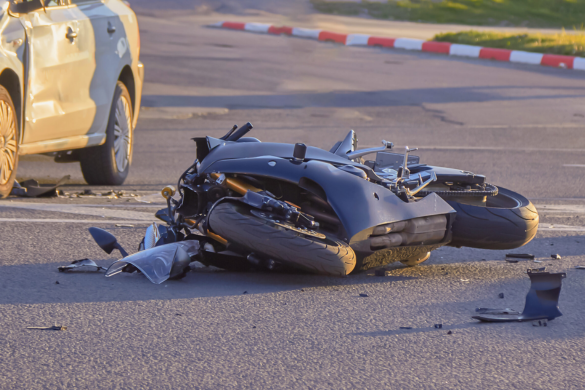
A motorcycle crash can change your life in seconds. One careless driver, one unsafe lane change, or one missed left turn can leave a rider with catastrophic injuries, major medical bills, time away from work, and a long recovery.
If you were hurt in a wreck, you may be dealing with more than pain. You may also be facing an insurance company that tries to blame the rider first. That bias is real, and it can make a hard situation even harder.
When a motorcycle collision leaves someone seriously hurt, Aldous Law may be able to help investigate what happened, deal with the insurance issues, and fight for full compensation under Texas law.
To learn more about your options after a crash, give us a call at (214) 526-5595.
Injured in a Motorcycle Accident in Dallas, Texas?
If you were hit while riding in Dallas, you may feel overwhelmed. Many riders are taken from the scene in pain and do not yet know how serious the injuries are. Others go home thinking they are lucky, only to develop worsening symptoms hours or days later.
A crash can lead to immediate losses, including emergency care, hospital bills, surgery, missed work, bike damage, and daily stress. It can also cause long-term harm that is harder to measure, such as chronic pain, mobility limits, scarring, trauma, and changes to your family life.
Texas law generally gives an injured person two years to bring a personal injury claim, and the same two-year period generally applies to wrongful death claims. Missing that deadline can put your case at risk.
That is why many injured riders choose to speak with a lawyer early, while the evidence is still easier to gather.
Why Motorcycle Accidents Are More Serious Than Other Wrecks
Motorcycle wrecks often cause more serious harm than ordinary passenger vehicle crashes. The reason is simple. Riders do not have the same physical protection that people in cars and trucks have.
A person inside a car usually has a metal frame, seat belt, airbags, headrests, and more distance from the point of impact. A rider has far less between their body and the road.
Lack of Protection Compared to Cars
Even when a rider does everything right, the body can take a direct hit in a motorcycle crash. The rider may be thrown from the bike, pinned between vehicles, or dragged across the road.
That difference in protection helps explain why motorcycle crashes often involve:
- traumatic brain injuries
- spinal injuries
- broken bones
- internal injuries
- burns and road rash
- long recovery periods
Insurance companies sometimes act as if a motorcycle claim should be handled like a small fender bender. In reality, the stakes are often much higher.
Common Causes of Motorcycle Accidents
Most motorcycle crashes happen because someone failed to use reasonable care. In many cases, the problem is not the rider at all. It is the driver who did not look carefully, did not yield, or made a dangerous move without enough space.
Distracted Driving and Visibility Issues
Many motorcycle wrecks happen because drivers say they “didn’t see” the rider. That may involve:
- texting while driving
- looking down at a screen
- failing to check mirrors
- turning left across a rider’s path
- changing lanes without checking blind spots
- pulling into traffic too quickly
Motorcycles are smaller than many passenger vehicles, but that does not excuse a driver from paying attention. Drivers still have a duty to watch the road and yield when required.
Visibility problems also become worse in heavy Dallas traffic, at night, in bad weather, and near intersections.
Road Hazards and Unsafe Conditions
Road conditions that might be minor for a car can be dangerous for a motorcycle. A rider may lose control because of:
- potholes
- loose gravel
- broken pavement
- uneven lanes
- standing water
- debris in the roadway
- poor construction zone design
In some cases, another driver is at fault. In others, a company, contractor, or government-related entity may need to be investigated depending on the facts.
Types of Motorcycle Accidents
Motorcycle wrecks happen in many ways, and can happen at any moment, but some patterns show up again and again.
Intersection and Left-Turn Accidents
Intersections are one of the most dangerous places for riders. A common crash happens when a driver turns left in front of an oncoming motorcycle. The driver may claim they thought they had time. The rider may have no time to stop.
Other common motorcycle accident types include:
- rear-end collisions
- sideswipe crashes
- unsafe lane-change wrecks
- dooring incidents
- head-on collisions
- crashes involving commercial trucks
- single-bike crashes caused by road hazards
If your wreck involved a large truck or company vehicle, our Truck Accident Lawyer page explains more about how those claims may differ from ordinary traffic cases.
Common Injuries in Motorcycle Crashes
Motorcycle accidents often cause life-changing injuries. Some are obvious at the scene. Others are not. Some of the most common common injuries include:
- Traumatic Brain Injuries (TBI)
- Road rash and fractures
- Spinal injuries
- Burns
- Internal injuries
Bias Against Motorcyclists in Injury Claims in Texas
Motorcyclists often face unfair assumptions after a wreck. That bias can affect how a claim is investigated, valued, and defended.
Some people assume riders are reckless. Some assume speed was involved even when there is no evidence of it. Some assume a rider accepted extra risk simply by choosing a motorcycle.
Those assumptions can hurt a valid claim if they go unchallenged.
Insurance Company Bias Against Riders
Insurance companies may try to use rider bias in ways such as:
- arguing the rider was hard to see
- focusing on helmet use before proving fault
- claiming the rider was weaving or speeding without solid proof
- minimizing the rider’s injuries
- pressing for a fast, low settlement
Texas follows a proportionate responsibility rule. Under Texas Civil Practice and Remedies Code Section 33.001, a claimant generally cannot recover damages if that claimant’s percentage of responsibility is greater than 50 percent. That makes fault disputes especially important in motorcycle cases.
In other words, bias is not just insulting. It can directly affect compensation.
A careful case presentation may include witness statements, vehicle damage analysis, crash scene evidence, medical records, photographs, electronic data, and expert review when needed.
Texas Motorcycle Laws and Helmet Requirements
Under Texas Transportation Code Chapter 661, a person operating or riding on a motorcycle generally must wear protective headgear, but there is an exception for people who are at least 21 years old and who either completed an approved motorcycle safety course or have health insurance coverage for motorcycle accident injuries.
Helmet use can become an issue in a case, but it does not automatically decide who caused the crash. Fault still depends on what happened and who acted negligently.
Texas law also sets out the rules of the road that apply to drivers and riders alike, including lane use, following distance, signaling, turning, and yielding. Those rules can matter when proving how a wreck happened.
Who Is Liable in a Motorcycle Accident?
Liability depends on the facts. In many cases, the at-fault party is a careless driver. But not every case is that simple.
Potentially liable parties may include:
- a driver who failed to yield
- a distracted driver
- a trucking company
- an employer of an on-duty driver
- a bar or business in a dram shop case, depending on the facts
- a parts manufacturer
- a contractor responsible for unsafe road work
- another entity tied to a dangerous roadway condition
Proving Negligence and Fault
To prove negligence, a claim usually needs evidence showing:
- the other party owed a duty of reasonable care
- that duty was breached
- the breach caused the crash
- the crash caused damages
Evidence may include:
- police reports
- photos and video
- witness accounts
- black box or vehicle data
- phone records in some cases
- medical records
- crash reconstruction analysis
- maintenance records
- employment or company records
The stronger the evidence, the harder it is for the other side to shift blame unfairly.
What Compensation Can You Recover?
The value of a motorcycle claim depends on the harm the crash caused. In Texas, compensation in an injury case may include both financial losses and human losses.
Economic and Non-Economic Damages
A motorcycle accident claim may include both economic damages and non-economic damages. Economic damages are the financial losses tied to the crash. Non-economic damages cover the human impact of the injuries, including the pain and disruption they cause in daily life.
A motorcycle accident claim may seek damages for:
- medical expenses
- future medical care
- lost wages
- reduced earning ability
- physical pain
- mental anguish
- physical impairment
- disfigurement
- property damage
- wrongful death damages in fatal cases
Non-economic damages matter too. A serious injury can affect sleep, family life, independence, mobility, and peace of mind. Those losses are real even though they do not come with a bill attached.
Medical Bills and Lost Income
Medical losses may include emergency transport, hospital stays, surgery, imaging, rehabilitation, follow-up treatment, medication, assistive devices, and future care needs.
Lost income may involve more than missed paychecks. Some riders cannot return to the same kind of work after a severe injury. Others need lighter duty, fewer hours, or a new line of work.
How a Motorcycle Accident Claim Works
A motorcycle accident case often starts with an investigation. That may include gathering records, reviewing the scene, identifying witnesses, preserving evidence, and evaluating insurance coverage.
From there, the claim may move into negotiations. If the insurer refuses to offer fair compensation, a lawsuit may be needed. Some cases settle before trial. Others need to be presented to a jury.
Every case is different, but many claims follow a similar path.
What Speeds It Up or Slows It Down
A fast result is not always the right result. In serious injury cases, it is often important to understand the full scope of the harm before resolving the claim. Still, oftentimes helping a case move along as swiftly as possible can work in a claimant’s favor.
Things that may help a case move more smoothly include:
- clear liability
- prompt medical documentation
- available insurance coverage
- preserved evidence
- consistent treatment records
- fast identification of witnesses
Things that may slow a case down include:
- disputed fault
- serious injuries that are still being evaluated
- multiple defendants
- limited insurance coverage
- missing evidence
- delays in medical records or expert review
How Much Is Your Motorcycle Accident Case Worth?
There is no single formula for the value of a motorcycle accident case. Two riders can be hit in similar ways and still have very different claims. Case value often depends on factors that vary greatly from how severe the injuries are to how clear liability is with countless things in between.
That is one reason broad online averages are rarely helpful. A real case evaluation depends on the actual facts, records, and damages.
What If I Feel Fine But Symptoms Show Up Later?
That happens more often than many people think. After a crash, adrenaline can mask pain. Some injuries do not become obvious right away. Others might strike later and in more subtle ways. Delayed symptoms may involve neck and back pain, headaches, dizziness, and other common concussion symptoms.
When symptoms appear later, documentation matters. A gap between the crash and treatment can become an issue in a claim, especially if the insurer tries to argue the injury came from something else.
What If the Other Driver is Uninsured or Underinsured?
That does not always mean you are out of options. In some cases, there may be uninsured or underinsured motorist coverage available through an insurance policy. Texas Insurance Code provisions address uninsured and underinsured motorist coverage in auto policies.
There may also be more than one potentially liable party depending on how the crash happened. A full review of the facts and the available coverage is often important in serious motorcycle injury cases.
Why Choose Aldous Law for Your Case
Choosing a law firm after a serious motorcycle crash is a major decision. You want a team that understands catastrophic injury cases, prepares thoroughly, and is ready for a fight when the other side refuses to do the right thing.
That combination matters in motorcycle injury cases. Riders with catastrophic injuries need more than paperwork. They need a legal team prepared to tell the full story of what the crash took from them.
Contact our Dallas Motorcycle Collision Attorney Today
A motorcycle crash can leave you facing pain, uncertainty, and pressure from insurance companies. You should not have to carry all of that alone.
If you were seriously hurt in a wreck, Aldous Law may be able to help you understand your options, investigate the crash, and pursue compensation for the losses you have suffered. Call (214) 526-5595 to speak with the firm or reach out online.
Frequently Asked Questions
What should I do after a motorcycle accident in Dallas?
Focus on your health and safety first. Many riders also try to preserve as much information as possible, such as photos, witness names, insurance details, and medical records. Because Texas generally applies a two-year limitations period to personal injury claims, waiting too long can create problems for a case.
What if I wasn’t wearing a helmet?
Not wearing a helmet does not automatically decide fault. Texas helmet law includes exceptions for certain riders age 21 and older who meet specific conditions. In a civil case, helmet use may become part of the argument, but the core question is still who caused the crash and what damages resulted.
How much is my motorcycle accident case worth?
It depends on the facts. Important issues include injury severity, medical care, lost income, long-term effects, liability, and insurance coverage. A serious motorcycle injury claim can be very different from an ordinary car accident claim because the injuries are often more severe.
How long do I have to file a claim in Texas?
Texas generally gives injured people two years to bring a personal injury lawsuit, and wrongful death claims generally follow the same two-year period. Deadlines can be complicated in some situations, so timing matters.