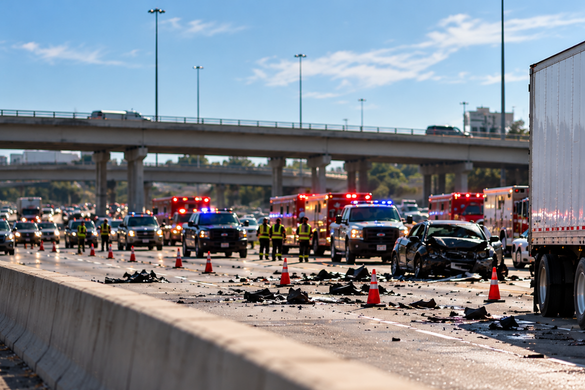
After a serious truck crash, you may hear several terms used for the vehicle involved. Police may call it a commercial motor vehicle. An insurance company may call it a tractor-trailer. You may simply call it a semi-truck.
Those terms can sound interchangeable, but they do not always mean the same thing. When asking commercial truck vs semi-trucks: does the difference affect your claim, the answer depends on the vehicle, how it was being used, and which safety rules applied at the time of the crash.
The type of truck may affect the regulations involved, the evidence that exists, available insurance, and which companies could share responsibility.
Why the Type of Truck Matters
A commercial truck is a broad term. A semi-truck is one type of commercial vehicle.
That distinction matters because trucking rules are not based only on what a vehicle looks like. Weight, cargo, passenger capacity, interstate travel, and the purpose of the trip may all affect which laws apply.
A crash involving a delivery van used for business may raise different issues than a collision involving an 18-wheeler carrying freight across state lines. Identifying the vehicle and its use is often an early part of evaluating a personal injury claim.
What Counts as a Commercial Truck
In everyday use, a commercial truck can include many vehicles used to transport goods or provide services for a business. Examples may include delivery trucks, box trucks, dump trucks, work trucks, and tractor-trailers.
The legal definition can depend on the law being applied.
For example, federal motor carrier safety rules generally define a commercial motor vehicle based on factors such as vehicle weight, passenger capacity, or the transportation of certain hazardous materials. Texas law also uses different definitions of "commercial motor vehicle" depending on the part of the law involved.
That means a vehicle does not have to be an 18-wheeler for commercial trucking rules or business liability questions to become important.
What Makes a Vehicle a Semi-Truck
"Semi-truck" is commonly used to describe a tractor connected to a semitrailer. The tractor contains the engine and driver's cab. The trailer carries the freight and depends partly on the tractor for support.
You may also hear terms such as:
- Tractor-trailer
- Big rig
- 18-wheeler
A semi-truck is therefore usually a commercial truck, but not every commercial truck is a semi.
The difference can affect a truck accident claim because tractor-trailer operations may involve a motor carrier, trailer owner, cargo company, maintenance provider, or other businesses in addition to the driver.
How Federal and State Regulations Can Differ by Vehicle
Commercial trucking is regulated by both state and federal law. Which rules apply may depend on the vehicle, what it carries, where it travels, and how the business operates.
Federal Motor Carrier Safety Administration rules address issues including driving hours, records, inspections, and insurance requirements for covered vehicles and carriers.
Texas also has its own commercial vehicle laws.
As a result, simply knowing that a truck was being used for work may not answer every question. The details of the vehicle and trip matter.
Hours-of-Service and Logging Rules
Fatigue can become an important issue after a truck crash.
Federal hours-of-service rules limit how long covered commercial drivers may drive and work. For many property-carrying drivers, FMCSA rules allow up to 11 hours of driving after 10 consecutive hours off duty. Drivers also generally cannot drive beyond the 14th consecutive hour after coming on duty and may need a 30-minute break after 8 cumulative hours of driving without a qualifying interruption.
Many drivers who must keep records of duty status are also required to use electronic logging devices, although exceptions apply. ELD records can help show driving and rest periods.
These records may be important when driver fatigue is suspected.
Insurance Minimums by Vehicle Class
Insurance requirements can also differ.
FMCSA's current filing requirements show that certain interstate for-hire property carriers operating vehicles with a gross vehicle weight rating of at least 10,001 pounds must carry at least $750,000 in bodily injury and property damage financial responsibility. Higher minimums can apply when certain hazardous materials are transported.
These are minimum federal requirements for certain carriers, not a statement of what any one accident claim may be worth.
The policies involved in a crash can depend on the carrier, vehicle, cargo, and other parties. That is one reason identifying the exact truck and business operation can matter when evaluating an insurance claim.
How Vehicle Type Affects Who May Be Liable
A passenger car accident often centers on the actions of the drivers involved. Commercial truck cases may involve more parties.
Depending on the facts, questions may arise about:
- The truck driver and the driver's conduct
- The motor carrier or employer
- A company responsible for loading, maintenance, or another part of the trucking operation
A semi-truck may also involve separate ownership of the tractor and trailer.
The legal relationship between a driver and a company can be important. So can company policies, training, hiring decisions, maintenance practices, and delivery demands.
Our discussion of corporate carriers explains more about why serious commercial trucking cases may involve conduct beyond what happened in the driver's seat.
Evidence That Depends on the Truck Involved
The type of truck can affect what evidence is available after a crash.
A large commercial vehicle may contain electronic systems or business records that a passenger vehicle does not. Depending on the truck and company, relevant evidence may include electronic logs, GPS records, maintenance documents, inspection records, driver files, dispatch information, cargo records, and data stored by the vehicle.
It is important not to assume an electronic logging device contains every detail about a crash. FMCSA states that an ELD is meant to record information related to hours-of-service compliance. It is not required to record speed, braking, or steering data.
Other electronic systems may contain different information.
Evidence can be especially important when the driver and trucking company dispute how a collision happened or whether a safety violation contributed to a negligence claim.
Why Truck Claims Are More Complex Than Car Claims
Truck crashes can cause devastating harm. Information about large truck accidents also shows why the safety of large commercial vehicles remains an important issue on U.S. roads.
A commercial truck claim may involve federal rules, state rules, several businesses, different insurance policies, and large amounts of company data. The injuries can also be severe.
Some victims may suffer burn injuries or other catastrophic injuries that affect work, mobility, independence, and family life.
When a truck crash takes a person's life, loved ones may also have questions about a potential wrongful death case.
Those losses reach far beyond the crash scene.
Speak With a Texas Truck Accident Attorney
Whether the vehicle was a semi-truck, box truck, delivery vehicle, or another commercial truck, its exact classification may matter. But the name of the vehicle is only the beginning.
A personal injury lawyer may be able to review how the truck was being used, what rules applied, what insurance coverage may be involved, and which parties could bear responsibility. An accident attorney can also fight for victims when a trucking company or insurer tries to shift blame.
At Aldous Law, we understand how deeply a serious truck crash can change a person's life. Medical treatment may be only one part of what a victim and family face. Lost in come, pain, disability, and uncertainty about the future can place a heavy burden on everyone involved.
If you or someone you love has been seriously hurt in a commercial truck crash in Texas, our team may be able to help you understand your options and pursue fair injury compensation. Contact us or call (214) 526-5595 to speak with our team.