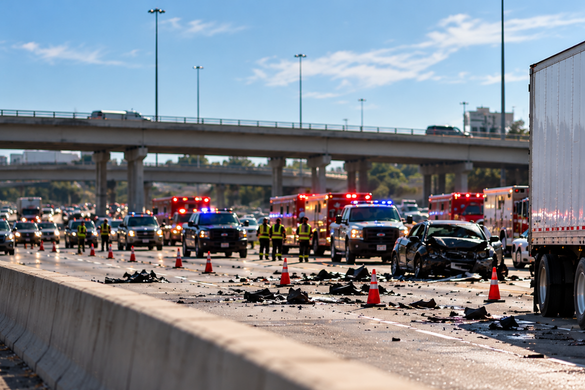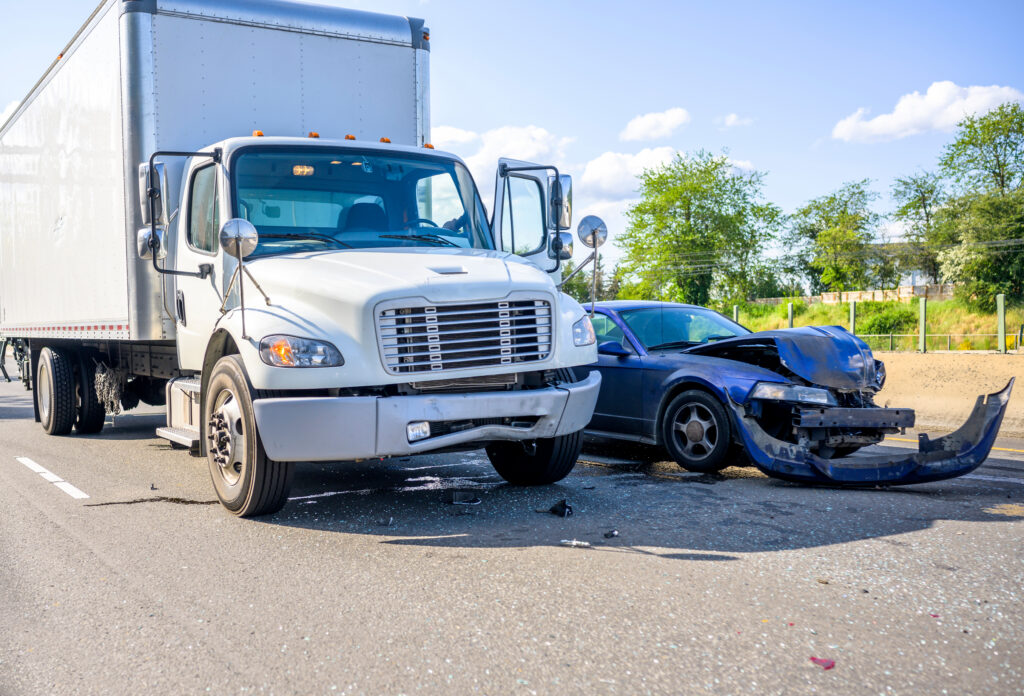
North Texas is one of the busiest freight regions in the state. Big rigs move through Dallas every day on I-35E, I-20, and I-45. When traffic is heavy, speeds are high, and an 18-wheeler makes one wrong move, the damage can be life-changing.
A serious truck crash is not just a bigger car accident. These cases often involve federal safety rules, company records, black box data, and more than one party that may share blame. At Aldous Law, we represent victims and families in serious vehicle injury cases across Texas, including complex Dallas truck accident lawyer matters and catastrophic collision claims.
Why Are I-35E, I-20, and I-45 So Dangerous for Truck Accidents?
These highways carry a constant mix of local drivers, long-haul truck traffic, delivery vehicles, commuters, and construction-related slowdowns. That mix can create dangerous conditions fast.
How Freight Traffic Increases Crash Risk
Freight corridors stay busy because they connect Dallas to major markets across Texas and beyond. On roads like I-35E, I-20, and I-45, passenger vehicles often travel close to large commercial trucks that need more time to stop, wider space to turn, and more room to recover from sudden hazards.
When an 18-wheeler jackknifes, changes lanes without enough clearance, or cannot stop in time, smaller vehicles usually suffer the worst harm. Families may face long hospital stays, lost income, and injuries that affect every part of daily life. In cases involving severe trauma, our team may be able to help through a catastrophic injury lawyer claim or, when a loved one is lost, a wrongful death case.
Why Dallas Is One of Texas' Largest Trucking Hubs
Dallas sits at the center of major freight movement in North Texas. That matters because more commercial traffic usually means more chances for a serious trucking collision.
How Commercial Freight Moves Through North Texas
Commercial carriers use Dallas-area highways to move goods between distribution centers, warehouses, retailers, and industrial sites. That makes I-35E, I-20, and I-45 critical routes for regional and long-distance shipping.
It also means drivers on these roads may be next to commercial vehicles operated by large carriers, contractors, brokers, or local fleet companies. When a wreck happens, the legal questions often go far beyond the driver alone.
Common Causes of Semi-Truck Crashes on Texas Highways
Truck crashes happen for many reasons, but several problems come up again and again in serious freight corridor cases.
Driver Fatigue and Hours-of-Service Violations
Federal rules limit how long many commercial drivers may stay behind the wheel and on duty. FMCSA hours-of-service rules exist because fatigue can slow reaction time, hurt judgment, and increase the risk of a major crash. When a truck driver or carrier breaks these rules, that violation may become important evidence in an injury claim. FMCSA’s hours-of-service rules and summary guidance explain limits for many property-carrying drivers.
Distracted Driving and Speeding
A fully loaded commercial truck needs much more distance to slow down than a passenger car. If a truck driver is speeding, looking at a device, or not watching traffic ahead, a rear-end crash or chain-reaction collision can happen in seconds. That is especially dangerous on crowded Dallas-area interstates.
Poor Truck Maintenance
Brake failures, worn tires, lighting problems, and other maintenance issues can turn a heavy truck into a serious threat. In some cases, the driver is not the only one responsible. A motor carrier, maintenance contractor, or fleet owner may have failed to inspect or repair the truck properly. That is one reason trucking cases often involve more evidence than an ordinary car accident lawyer claim.
How FMCSA Regulations Affect Truck Accident Cases
Truck accident cases often turn on records that do not exist in a normal passenger vehicle claim.
Electronic Logging Devices and Black Box Evidence
Federal rules require many commercial drivers and carriers to use electronic logging devices, or ELDs, to track records of duty status. These devices can become important when fatigue or hours-of-service violations are suspected. FMCSA explains that ELDs are meant to improve accuracy and safety in tracking driving time.
In addition to ELD data, trucks may also contain engine control modules or event data that can help show speed, braking, and other vehicle activity before a collision. FMCSA’s ELD page and the ELD information portal both explain the role these systems play.
Why Trucking Companies Move Quickly After Crashes
After a serious crash, carriers and insurers may begin gathering information right away. They may send investigators, preserve company records, or shape the early story of what happened. That is one reason victims often need fast help protecting evidence, especially in cases involving driver logs, dispatch records, maintenance files, onboard data, and surveillance footage.
Who Can Be Liable After a Freight Corridor Crash?
A truck accident claim may involve one defendant or several.
Truck Drivers, Carriers, Brokers, and Maintenance Companies
Depending on the facts, liability may involve:
- the truck driver
- the motor carrier
- the company that owned or leased the tractor or trailer
- a freight broker
- a maintenance vendor
- a parts manufacturer in rare cases
The answer depends on who controlled the truck, who hired the driver, who maintained the equipment, and what safety failures led to the wreck. That is why a serious commercial truck accident investigation often looks very different from a standard crash claim.
What Compensation Is Available After a Serious Truck Accident?
Every case is different. In general, a truck accident claim may seek compensation for medical bills, lost wages, reduced earning ability, pain and suffering, physical impairment, and long-term care needs. If the crash caused a fatal injury, surviving family members may also have a wrongful death claim under Texas law. The amount available depends on the facts, the injuries, the insurance coverage, and the evidence.
Texas also uses proportionate responsibility rules, which means fault can affect recovery. Under Texas Civil Practice and Remedies Code Chapter 33, a claimant generally cannot recover damages if their percentage of responsibility is greater than 50 percent.
What To Do Immediately After an 18-Wheeler Accident
The hours and days after a truck crash can matter.
Evidence That Can Protect Your Claim
Helpful evidence may include:
- scene photos
- vehicle damage photos
- witness names
- dashcam footage
- police report details
- medical records
- tow and storage information
- trucking company and trailer identifiers
If you can, getting early documentation may help protect the truth before it disappears. In jackknife and underride cases, scene evidence can be especially important.
Why Hiring a Dallas Truck Accident Lawyer Matters
Truck accident claims often involve more evidence, more defendants, and more pressure from insurance companies than ordinary wrecks. Our team handles serious injury litigation in Dallas and across Texas. We have also recovered more than $1 billion for our clients, according to our case results and firm materials. That does not guarantee any outcome, but it shows the level of litigation these cases may require.
If you or someone you love was hurt in an 18-wheeler crash on I-35E, I-20, I-45, or another North Texas freight route, contact Aldous Law at (214) 526-5595.