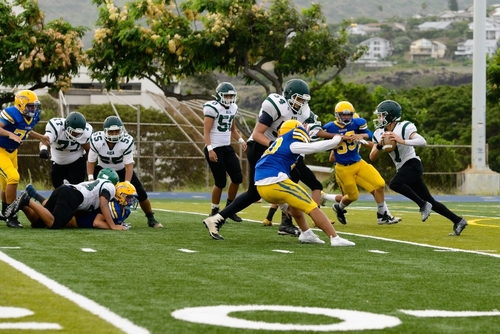
Signing a sports waiver can feel routine. Parents may see one during online registration for a youth league. An adult may sign one before joining a gym, race, tournament, or recreational event.
But what does that waiver actually cover?
In Texas, the answer can depend on much more than the title at the top of the page. The exact words matter. So do the people and businesses named in the document, the conduct that caused the injury, and where and how the injury happened.
A clear waiver may address some ordinary risks connected with a sport or activity. It does not automatically provide blanket protection for every negligent act, hidden danger, reckless action, unrelated event, or party that did not sign or was not covered by the agreement.
For families dealing with a serious injury, the distinction can matter. A waiver is one part of the story, but it is not necessarily the end of it.
A Waiver, Risk Notice, and Medical Consent Are Not the Same
Sports registration paperwork often combines several documents into one form. That can make it difficult to understand what a parent or athlete actually agreed to.
A waiver or release generally deals with legal claims or responsibility for certain injuries.
An assumption-of-risk notice warns participants that an activity involves certain dangers. Contact sports, for example, naturally involve some risk of falls, collisions, and impacts.
A medical consent form may give a coach, camp, school, or organization permission to seek medical care when a parent cannot be reached.
These documents serve different purposes. A form called a “sports waiver” may contain all three, or it may contain only one.
That is why the operative language matters more than the name of the form. When a serious injury occurs, the actual clauses and how they relate to the event can become important.
What a Sports Waiver May Cover
A sports waiver may seek to address risks that are closely tied to the activity.
For example, a soccer release might discuss collisions between players, falls, contact with the ball, or other risks that can arise during normal play. A gym waiver might describe risks related to exercise equipment or physical activity.
A waiver may also try to address ordinary negligence by certain named parties. Whether that language is enforceable depends on the wording, presentation, facts, and applicable Texas law.
The idea of assumption of risk can also be relevant, but it is not the same thing as signing a written release. Participating in a sport may involve accepting some dangers that are a normal part of that activity. That does not mean every injury that happens near a field, gym, court, or training facility is automatically an accepted risk.
Texas Fair Notice: Is the Release Clear and Conspicuous?
Texas courts apply specific legal standards when deciding whether certain contract language can release a party from responsibility for its own negligence. These standards are often discussed through the concepts of express negligence and conspicuousness.
At a practical level, questions may include:
- Does the wording clearly describe the conduct being released?
- Is important language placed and formatted so that a person can reasonably notice it?
- Does the clause apply to the party and activity involved in the injury?
These are fact-specific legal questions. A release cannot be evaluated just by seeing the word “waiver” above a signature line.
What a Waiver May Not Cover
The existence of a waiver does not necessarily resolve every possible injury claim.
Questions can arise when the injury involves conduct or circumstances outside the scope of what the document describes. Depending on the facts and applicable law, that may include allegations involving:
- A person or company not covered by the release
- Conduct outside the activity described in the waiver
- Gross negligence or intentional wrongdoing
- Defective equipment or products
- Concealed or unexpected property hazards
- Transportation to or from an event
- Failures that have little connection to the ordinary risks of playing the sport
Texas law treats gross negligence differently from ordinary negligence. The Texas Civil Practice and Remedies Code defines gross negligence using both an extreme degree of risk and actual awareness of that risk followed by conscious indifference to the rights, safety, or welfare of others. Whether conduct reaches that standard requires a close review of the evidence.
Why the Exact Defendant and Conduct Matter
Consider a child who is hurt while traveling to a tournament.
The league may have a signed sports waiver. But if the injury arose from a crash involving a transportation company, the league's waiver may not answer every question about that separate company.
The same issue can arise with a manufacturer that made defective equipment, a property owner responsible for unsafe premises, a trainer, or another provider involved in the event.
A waiver has to be compared with what actually happened and who may have been responsible.
If unsafe property conditions played a role, one of our premises liability attorneys can examine those facts as part of the broader injury investigation.
Can a Parent Waive a Child's Future Injury Claim?
A parent waiver for child injury in Texas raises separate legal questions from an adult signing a release for their own participation.
Issues involving minors can involve the authority of a parent to release a child's future claims, the type of activity involved, the language in the document, and broader public-policy concerns.
Because these questions can depend heavily on the circumstances and current Texas law, a parent's signature does not support a simple statewide answer that every future claim is either barred or preserved.
Families may benefit from having the actual form reviewed rather than assuming that signing it settled every legal issue before the injury even happened.
School Teams, Recreation Leagues, Private Clubs, and Camps
Not every sports organization operates under the same rules.
A public school may involve statutes, government-immunity questions, formal notice requirements, and school policies. A private gym or sports club may rely more heavily on a membership contract. Nonprofit leagues, travel teams, camps, and tournament operators can have their own registration forms and insurance arrangements.
Texas law also creates specific concussion requirements for interscholastic athletics in school districts and open-enrollment charter schools. Among other things, covered schools must have concussion oversight teams and return-to-play protocols. Texas law also requires an athlete to be removed from participation in certain circumstances when a concussion is suspected.
The same Texas statutes state that these concussion provisions do not waive certain legal immunities or create liability where none otherwise exists. That is one reason claims involving public schools can raise issues that differ from claims against private sports organizations.
When an Injury May Reflect Negligence Instead of Inherent Risk
Sports carry risk. A football player may be tackled. A basketball player may land awkwardly. A runner may trip.
But some injuries raise different questions.
An investigation may look at circumstances such as unqualified supervision, ignored signs of a concussion, unsafe heat conditions, broken equipment, dangerous premises, hazing, severe player mismatches, or delays in responding to an emergency.
The key question is often not simply, “Was this a sports injury?”
It may be, “What caused this injury, and was that danger really part of the activity the athlete agreed to face?”
For a devastating injury involving the brain, spinal cord, or other lasting harm, one of our catastrophic injury lawyer may examine how those failures affected far more than the athlete's time on the field.
Concussion and Return-to-Play Decisions
A concussion is a traumatic brain injury, and concussion symptoms deserve careful attention. CDC HEADS UP guidance says an athlete with a suspected concussion should be removed from sports participation immediately and kept out on the day of injury. Return to sports is a medical decision that involves healthcare-provider approval and a gradual process.
Texas also has specific concussion rules for covered interscholastic athletics. School districts and open-enrollment charter schools must establish concussion oversight teams and evidence-based return-to-play protocols. The law addresses removal from play when a concussion is suspected and conditions that apply before a student returns.
After a serious head injury, records showing symptoms, who observed them, when an athlete was removed, what evaluations took place, and how return-to-play decisions were made can help explain what happened.
Heat, Hydration, and Emergency Planning
Texas athletes can practice and compete in dangerous heat. The safety systems around those conditions can become important evidence after a serious heat-related event.
UIL's current health and safety materials address heat stress, hydration, emergency medical procedures, and emergency action planning. Its 2026–2027 required heat plan includes wet-bulb globe temperature monitoring and calls for readings every 30 minutes during covered practices. It also requires heat-emergency procedures in school emergency action plans and rapid-cooling resources under specified conditions.
Depending on the event, an investigation may examine weather readings, practice schedules, water and rest access, acclimatization practices, staff training, emergency plans, and how adults responded when an athlete began showing signs of distress.
Evidence to Preserve Even When a Waiver Exists
When a family is facing a severe sports injury, the waiver is only one piece of evidence.
Other materials can help show what everyone knew, what rules were in place, and what happened before and after the injury. Relevant evidence may include:
- The exact waiver or release that was signed, along with the registration process and any screens or notices shown before signing
- Emails, team policies, safety rules, rosters, coaching or training records, certifications, incident reports, photographs, videos, weather information, equipment, and witness information
- Medical records and documents showing symptoms, treatment, restrictions, and the long-term effects of the injury
Digital registration systems can change over time. The wording a family saw when signing up may not be identical to a form available months later. Preserving the version connected with the athlete's registration can therefore be important.
How Insurers Use Waivers During a Claim
An insurance company may point to a waiver early in a claim and argue that it ends the matter.
It may also ask for statements about how the injury occurred or read the release broadly in an effort to place the event within its terms.
But the analysis can require more than locating a signature.
The waiver can be compared with the actual conduct at issue. The people and companies named in the release can be compared with the parties involved in the injury. The location and circumstances of the event may matter too.
Our experienced Texas personal injury lawyers can review these details and examine whether the insurer's interpretation matches the language and facts.
Ask Aldous Law to Review the Waiver and the Event
A serious sports injury can change far more than one season. It can affect school, work, independence, relationships, and a family's plans for the future.
A signed waiver does not tell the whole story by itself.
At Aldous Law, our team can examine the language of the document, what happened to the athlete, the people and organizations involved, and the evidence surrounding the event. When someone else's actions may have caused catastrophic harm, we can fight to make the victim's voice heard, and when a sports injury results in the loss of a loved one, we can help you find peace in seeking justice for what happened.
If a sports injury has devastated you or someone you love, call us at (214) 526-5595 or contact Aldous Law to discuss what happened.
Sports Waiver FAQs for Texas Families
Does Signing Mean I Cannot Talk to a Lawyer?
responsible parties may all matter.No. Signing a sports waiver does not prevent someone from speaking with an attorney.
An attorney can review what the document says, who it covers, how it was presented, and whether the circumstances of the injury fall within its scope.
Can a Waiver Excuse Gross Negligence?
Claims involving alleged gross negligence require a separate, fact-specific legal review.
Texas law defines gross negligence using a higher standard than ordinary negligence. It involves an extreme degree of risk plus actual awareness of the risk and conscious indifference to the rights, safety, or welfare of others.
Whether particular conduct meets that definition cannot be decided from the waiver alone.
What if the Injury Occurred During Travel or in a Locker Room?
Where an injury happened and what caused it can affect the analysis.
A release focused on the risks of playing a sport may raise different questions when an injury occurs on a bus, in a parking lot, inside a locker room, or because of a condition at the property.