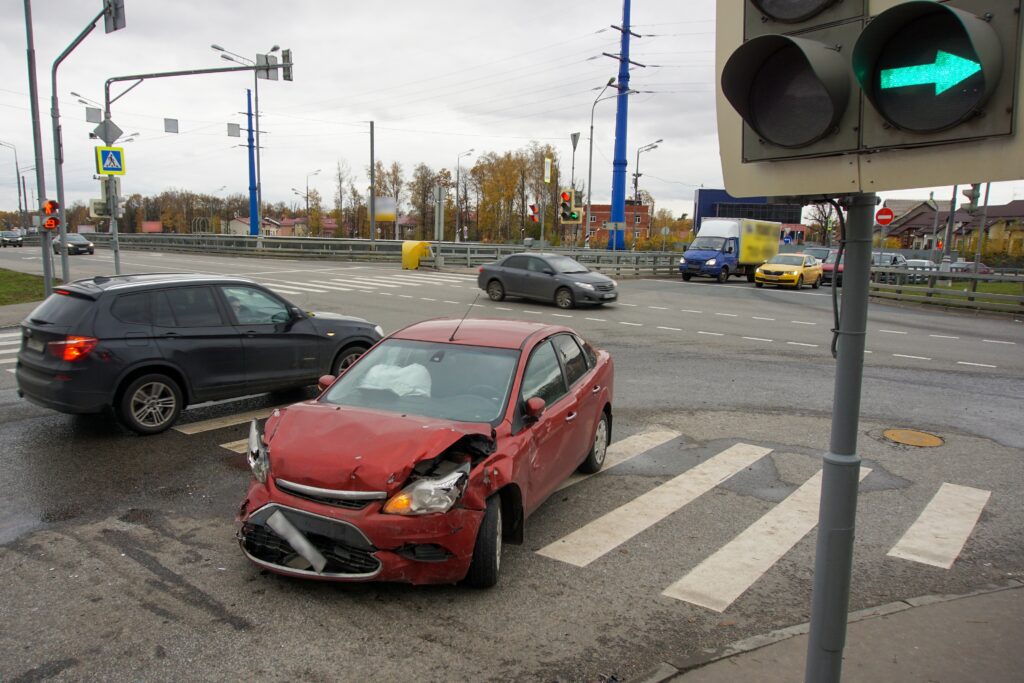
A multi-car accident can leave people confused from the start. One driver blames another. Insurance companies point fingers. Witnesses may only see part of what happened. For victims and families, the biggest question is often simple: who is at fault?
In Texas, fault in a pileup or intersection crash is not always assigned to one person. More than one driver may share blame. In some cases, a commercial vehicle, employer, or roadway-related issue may also matter.
At Aldous Law, we handle serious Dallas car accident cases involving disputed liability, severe injuries, and complex crash investigations.
How Is Fault Determined in a Multi-Car Accident?
Fault is usually based on the evidence, not just on who speaks first to an insurance adjuster.
Texas Modified Comparative Negligence Explained
Texas follows proportionate responsibility rules. In general, a person may recover damages only if their share of responsibility is not greater than 50 percent. If they are 51 percent or more responsible, recovery is barred under Chapter 33 of the Texas Civil Practice and Remedies Code.
That matters in a pileup because several drivers may each have played a role. One may have been speeding. Another may have followed too closely. A third may have entered an intersection against the light. Sorting that out takes evidence.
Who Usually Causes a Chain-Reaction Crash?
While this is a normal question to have after an accident, the answer might not be as clear as one hoped for, as it depends on how the crash started and how it spread.
Rear-End Collisions Versus Intersection Crashes
In a rear-end chain reaction, the driver who starts the impact from behind may carry a large share of fault. But not every pileup is that simple. If several drivers were traveling too fast for conditions or not leaving enough room, liability may be shared.
Intersection crashes can be even more complicated. A driver may run a red light, turn left without yielding, or enter the intersection while distracted. Then other vehicles get pulled into the collision. In some severe cases, a truck or delivery vehicle may be involved, which can raise separate issues about commercial liability. See our truck accident lawyer page for more on those claims.
How Insurance Companies Investigate Multi-Vehicle Accidents
Insurance carriers often start investigating right away. Their goal is not always to tell the fullest story. Their goal is often to limit what they pay.
Police Reports, Witnesses, and Crash Reconstruction
In a multi-car case, insurers may review:
- the crash report
- vehicle damage patterns
- witness statements
- dashcam or surveillance video
- scene photos
- vehicle data
- medical records tied to the wreck
Police reports can be important, but they are only one part of the picture. A report may help identify drivers, location, road conditions, and the officer’s early observations. In Texas, crash reports are handled under Transportation Code Chapter 550, and qualifying people may obtain CR-3 reports through TxDOT.
For serious pileups, accident reconstruction can also matter. Sometimes the physical evidence tells a different story than the first insurance phone call.
What Happens If More Than One Driver Shares Fault?
It is common for multiple drivers to share fault in a chain-reaction crash or a major intersection collision.
Can You Still Recover Compensation?
Yes, sometimes you still may recover compensation even if you were partly at fault. The key question under Texas law is whether your percentage of responsibility stays at 50 percent or less. If it does, your damages may be reduced by your percentage of fault. If it is more than 50 percent, recovery is generally barred.
That is one reason early blame from an insurer can be so damaging. A rushed statement may not reflect what really happened.
Common Causes of Dallas Intersection Accidents
Some problems show up again and again in Dallas intersection crash claims. Intersections are dangerous because many decisions happen at once. When one person makes a careless choice, several vehicles can be pulled into the crash.
For victims, these cases can feel especially confusing. Different drivers may tell different stories. One person may say the light was green. Another may claim someone turned too soon. Insurance companies often use that confusion to shift blame. That is why it is so important to look closely at how the crash happened, what the physical evidence shows, and whether video, witness statements, or the police report support your side of the story.
Red-Light Violations
A driver who enters too late, tries to beat the light, or ignores a signal can cause a violent side-impact crash. These crashes are often severe because the struck vehicle has less protection on the side than it does in the front or rear.
These cases are not always as simple as they seem. A driver may insist they had the light. Another may say the signal changed too fast. In some cases, the key issue is not just whether the light was red, but whether the driver was speeding, distracted, or failed to slow down when traffic was already stopped in the intersection.
Distracted Driving
Phones, in-car screens, navigation systems, food, passengers, and other distractions can take a driver’s eyes off the road at the worst possible moment. At an intersection, even a short distraction can be enough to miss a red light, fail to notice stopped traffic, or overlook a driver who has the right of way.
Failure To Yield
Left-turn crashes, unsafe merges, and rolling through stop-controlled intersections can all lead to multi-vehicle collisions. Failure-to-yield cases are common in Dallas because intersections often involve fast traffic, limited visibility, and split-second judgment calls.
These crashes can become complicated very quickly. One driver may argue that the other was speeding. Another may claim they thought they had enough room to turn. In some cases, both drivers may have been moving at the time of impact, which gives insurers an excuse to argue that fault should be shared.
What Evidence Helps Prove Liability?
The best evidence is often the evidence gathered early.
Dashcams, Surveillance Video, and Vehicle Data
Helpful evidence may include:
- dashcam footage
- nearby business or traffic camera video
- skid marks and debris patterns
- 911 records
- witness statements
- airbag control or vehicle data
- phone records in some cases
- medical records that link injuries to the crash
Why Early Evidence Collection Matters
Video can be overwritten. Witnesses can become hard to find. Vehicles can be repaired or destroyed. The sooner key evidence is identified, the better chance there is of preserving it.
If you need the official report first, our accident report guide can help explain the process.
How Much Compensation Can Be Recovered?
Compensation depends on the facts. A claim may involve medical expenses, lost income, future treatment needs, pain and suffering, impairment, and damage to daily life. If a crash causes a fatal injury, surviving family members may also have a wrongful claim.
Texas law also sets a general two-year limitations period for many personal injury and wrongful death claims under Section 16.003, though exceptions can apply.
Why You Should Speak With a Dallas Car Accident Lawyer Before Accepting an Insurance Decision
When several drivers are involved, insurers may try to shift blame quickly. That can leave an injured person carrying more fault than the evidence supports. At Aldous Law, we prepare serious vehicle cases for litigation from the beginning. We represent victims and families in Dallas and across Texas, including high-stakes auto accident claims with disputed liability.
If you were hurt in a chain-reaction crash or intersection collision, call (214) 526-5595 or fill out an online contact form.