The negligent driver is often the first person to look at after a Dallas pedestrian accident, but they may not be the only one responsible. Depending on the facts, an employer, a vehicle owner, a contractor, a government entity, or another road user can also share liability. Who pays comes down to the evidence, including right-of-way, how each person was acting, and what actually caused the crash.
At Aldous Law, we help injured pedestrians and their families work out who is responsible and what insurance may apply. If you were hit while walking in Dallas, call (214) 526-5595 to talk with our team.
Start With the Right-of-Way Rule at the Exact Location
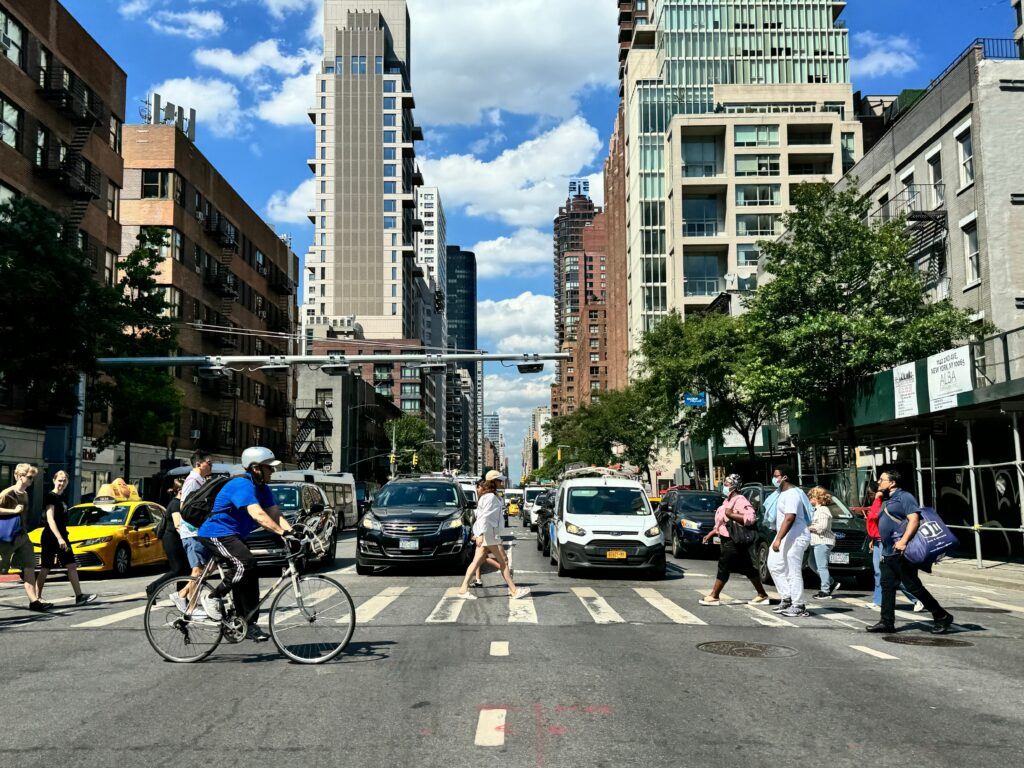
The first question in any pedestrian case is where the crash happened, because the rule that applies depends on the setting. Traffic signals, marked and unmarked crosswalks, intersections, mid-block crossings, driveways, parking lots, and construction zones can each change who had to yield. Pinning down the exact spot comes before any conclusion about fault.
Drivers Have Duties at Crosswalks
Under Texas Transportation Code § 552.003, a driver must stop and yield to a pedestrian crossing in a crosswalk when no traffic signal is in operation and the pedestrian is on the driver's half of the road or approaching from the other half closely enough to be in danger. Texas law also requires drivers to use due care to avoid hitting a pedestrian, even where the pedestrian made a mistake.
A driver who was looking at a phone, speeding, or turning without checking the crosswalk can be liable even when the pedestrian wasn't perfect.
Pedestrians Also Have Duties Outside Crosswalks
Under § 552.005, a pedestrian who crosses outside a marked crosswalk, or outside an unmarked crosswalk at an intersection, must yield to vehicles. Insurers often lean on this rule. But crossing outside a crosswalk does not automatically end a civil claim. A driver who could have avoided the crash, or who was speeding or distracted, can still bear a significant share of the blame.
Driver Negligence Can Include More Than Failure to Yield
Failing to yield is only one way a driver can cause a pedestrian crash. Other common forms of driver negligence include:
- Speeding: higher speeds shorten reaction time and make injuries much worse.
- Distraction: phones, navigation screens, and other distractions keep drivers from noticing people in the road.
- Impairment: alcohol or drugs slow judgment and reflexes.
- Unsafe turns: drivers focused on oncoming traffic often miss pedestrians in the crosswalk beside them.
- Backing: reversing out of driveways, lots, and loading zones without checking behind the vehicle.
- Poor lookout and visibility: failing to watch for pedestrians, or driving too fast for night or weather conditions.
An Employer or Commercial Vehicle Company May Also Be Involved
When the driver was working, delivering, or operating a fleet vehicle, the company behind the wheel may share responsibility. Under vicarious liability, an employer can be held responsible for a worker's negligence while acting within the course and scope of the job. A company can also face direct claims for its own conduct, such as negligent hiring, training, supervision, or entrusting a vehicle to an unsafe driver. These claims matter because commercial policies often carry higher limits than a personal auto policy.
Vehicle Ownership and Insurance Still Need Separate Verification
The owner, the employer, and the driver are not always the same person or company. A vehicle may be titled to one entity, registered to another, driven by an employee of a third, and covered by a policy that depends on permission and use. We look at the title and registration, the employment relationship, whether the driver had permission to use the vehicle, and the terms of each policy, rather than assuming that one party covers everything.
Texas Proportionate Responsibility Can Affect Recovery
Texas follows proportionate responsibility under Chapter 33 of the Civil Practice and Remedies Code. A jury assigns each party a percentage of responsibility, and your damages are reduced by your own percentage. If you're found more than 50 percent responsible for your car accident, you can't recover at all.
For example, a pedestrian with $200,000 in damages who is found 20 percent responsible would generally recover $160,000. Chapter 33 also allows a defendant to designate other parties as responsible third parties, and settlements can affect what credit the remaining defendants receive. These rules make early, careful investigation of fault especially important.
Preserve Dallas Crash Evidence Quickly
Evidence in a pedestrian case can disappear fast, and much of it belongs to someone other than you. Useful evidence includes:
- Nearby business video: many stores and restaurants overwrite footage within days or weeks.
- Traffic camera footage: available in some locations, but only through a prompt request.
- 911 records and dispatch audio: these capture what people said in the first moments.
- Witness contact information: memories fade, and witnesses can be hard to find later.
- Vehicle data and phone records: event data recorders and phone records can show speed and distraction, but they generally require a proper legal process to obtain.
- Scene photos: lighting, signage, crosswalk markings, sight lines, and damage to the vehicle and your belongings.
- Signal timing: records that show how the lights were operating at the time.
- The police crash report: a starting point for the investigation, though not the final word.
If you're hurt, call Aldous Law at (214) 526-5595 so we can begin preserving this evidence before it's lost.
Serious Pedestrian Injuries Require Full Damages Documentation
Pedestrians have no protection in a collision, and the injuries are often severe. A complete claim looks at medical care to date and future treatment, lost income and lost earning capacity, disability, physical pain and mental anguish, scarring and disfigurement, and the cost of help around the house. When a pedestrian dies, family members may be able to bring a wrongful death claim for their own losses, and the estate may have a separate claim. What damages are available depends on the facts, and no outcome is guaranteed.
Deadlines Can Change if a Government Entity or Special Defendant Is Involved
Texas generally gives injured people two years from the date of the injury to file a personal injury lawsuit under Civil Practice and Remedies Code § 16.003. That is the general rule, not a universal one. If a city, county, transit agency, or another government body may be responsible, such as for a malfunctioning signal, a dangerous road design, or a government vehicle, the Texas Tort Claims Act generally requires written notice within six months, and a city charter can require notice even sooner. Missing a notice deadline can end a claim. Because the right deadline depends on who is involved, it's worth getting a lawyer's review quickly.
Let Aldous Law Investigate Every Responsible Party in a Dallas Pedestrian Crash
A pedestrian crash often involves more people and more insurance than it first appears. At Aldous Law, we look at right-of-way, nearby video, any commercial relationship behind the vehicle, available insurance, and the full scope of your damages. We take on the calls and paperwork from insurers so you can focus on healing, and we give you an honest read on where your case stands. Learn more about our Dallas personal injury lawyers.
View our case results to learn more about how we have helped other people in your situation. Then, contact Aldous Law at (214) 526-5595 today to have our team review your case.
Dallas Pedestrian Accident FAQs
Can I recover if I crossed outside a crosswalk?
Possibly. Under § 552.005, a pedestrian crossing outside a crosswalk must yield to vehicles, and that will count against you. But Texas proportionate responsibility looks at everyone's conduct. If the driver was speeding, distracted, or failed to use due care, they can still bear a share of the fault, and you can recover as long as you are not found more than 50 percent responsible.
What if the driver was making a left or right turn?
Turning crashes are common, and the details are critical. The signal phase, where you were in the crosswalk, how closely the driver was watching, their speed, and the path of the turn can all affect who is at fault. Video and witness accounts are often the best way to establish what happened.
Can a driver's employer be liable for a pedestrian crash?
Yes, in the right circumstances. If the driver was working and acting within the course and scope of their job, the employer may be vicariously liable. The employer may also face direct claims, such as negligent hiring, training, or supervision. These questions turn on the facts of the employment relationship and who controlled the work.
How long do I have to file a Texas pedestrian injury lawsuit?
The general deadline is two years from the date of the injury under Civil Practice and Remedies Code § 16.003. Special rules can shorten it, especially when a government entity is involved, since the Texas Tort Claims Act generally requires notice within six months and a city charter may require it sooner. Have a lawyer review your deadline as soon as you can.