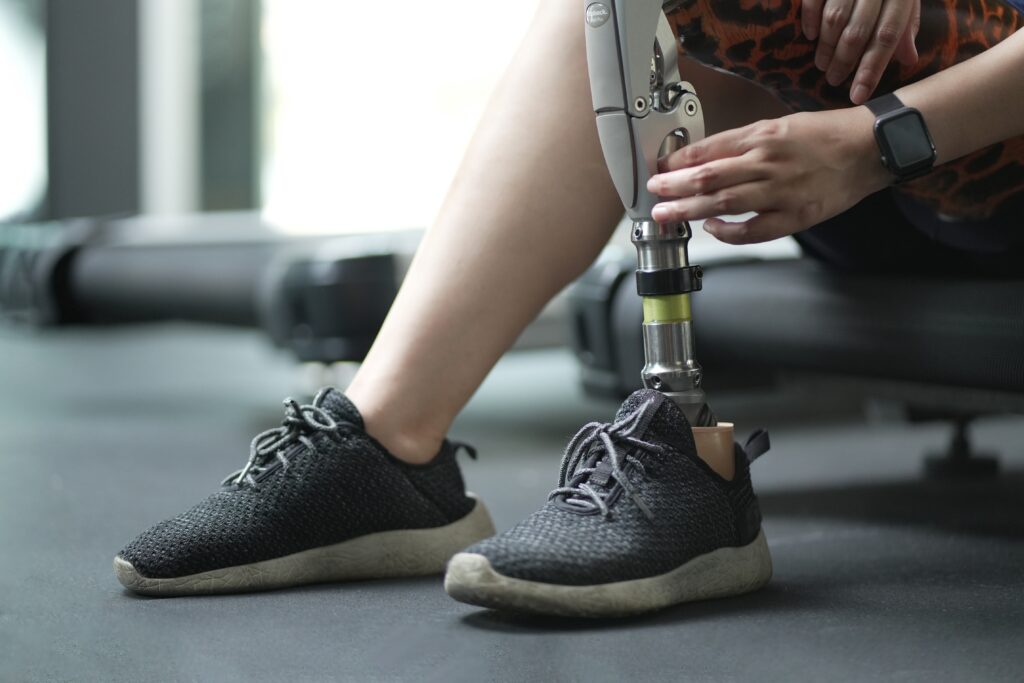
An amputation injury changes lives instantly. Daily routines are different. Independence feels uncertain. Families begin thinking about prosthetics, long-term medical care, employment changes, and how life will look years from now, not just months.
For families in Texas facing this reality, having the right legal guidance can bring clarity and stability. At Aldous Law, our catastrophic injury lawyers focus on helping individuals and families navigate the long-term consequences of amputation injuries and pursue compensation that reflects a lifetime of needs. Texas law recognizes amputation injuries as catastrophic injuries, and working with an amputation injury lawyer Texas families trust can help protect your future that now requires careful planning.
How Amputation Injuries Change Daily Life
The loss of a limb affects far more than physical movement. It reshapes identities, relationships, and independence. Many families are unprepared for how deeply an amputation injury can influence every part of daily living.
Mobility, Independence, and Emotional Impact
Mobility challenges vary depending on the type of amputation, but nearly all survivors must relearn basic tasks. Walking, driving, working, and caring for children may require adaptive tools or assistance. Even with advanced prosthetics, movement often requires more effort and causes fatigue or pain.
Emotionally, the impact can be just as profound. Many people experience grief, frustration, anxiety, or depression as they adjust to permanent change. Body image concerns and social discomfort are common, especially in the early stages of recovery. These emotional effects are a valid and significant part of the injury and should be acknowledged in any discussion of long-term recovery.
Common Causes of Amputation Injuries
Amputation injuries rarely occur without warning. In many cases, they are the result of preventable accidents caused by negligence, unsafe conditions, or defective products. These injuries often happen when basic safety measures are ignored or when equipment and environments are not properly designed or maintained.
Common situations that lead to amputation injuries include:
- Industrial and construction accidents involving heavy machinery or power tools
- Vehicle crashes that result in traumatic limb damage
- Defective consumer or industrial products that fail during normal use
- Workplace safety violations or inadequate training
- Dangerous property conditions that expose people to serious hazards
When an amputation injury occurs under these circumstances, Texas law allows injured individuals and their families to pursue compensation from the parties responsible for creating unsafe conditions.
Industrial Accidents and Heavy Machinery
Workplace accidents are a leading cause of catastrophic amputation injury. Industrial sites, construction zones, and manufacturing facilities often involve heavy machinery, power tools, and hazardous equipment. When safety protocols are ignored or machinery is improperly maintained, the consequences can be devastating.
In these cases, a loss of limb lawsuit Texas law allows may involve workers’ compensation claims, third-party liability claims, or both. Identifying all responsible parties is critical to securing full compensation.
Vehicle Crashes and Unsafe Products
Serious vehicle crashes can result in traumatic amputations or injuries so severe that surgical amputation becomes necessary. Defective auto parts, unsafe road conditions, and negligent drivers may all play a role.
Unsafe consumer or industrial products can also cause amputations. Malfunctioning equipment, defective safety guards, or poorly designed products may give rise to product liability claims.
What Lifetime Compensation Can Include
Amputation injury compensation is about far more than paying initial medical bills. Texas law allows compensation to reflect the lifelong costs and limitations that come with permanent limb loss.
Lifetime compensation may include coverage for:
- Emergency medical treatment and surgical amputation
- Ongoing medical care and follow-up procedures
- Physical and occupational therapy
- Mental health counseling and emotional support
- Prosthetics and adaptive equipment
- Home and vehicle modifications
These damages are designed to support long-term stability, not just short-term recovery.
Prosthetics and Future Replacements
Prosthetic devices are not one-time expenses. They wear out, require maintenance, and often need replacement every few years. As technology advances or the body changes, new prosthetics may be necessary to maintain mobility and comfort.
A personal injury lawsuit must account for the lifetime cost of these devices, including fittings, adjustments, and training. Compensation should also reflect the possibility that future prosthetics may be more expensive as medical technology evolves.
Lost Earning Ability and Retraining
Many people with amputation injuries cannot return to their previous jobs. Some must change careers entirely. Others may be unable to work at all. Permanent disability compensation can include lost earning capacity, not just wages already missed.
This type of compensation considers what the injured person could have earned over a lifetime if the injury had not occurred. It may also include vocational retraining or education needed to transition into new employment that accommodates physical limitations.
Proving Negligence in Amputation Injury Cases
Amputation injury cases often involve high stakes and significant financial consequences, including lifelong medical care, prosthetics, and lost earning capacity. Proving negligence requires careful investigation, thorough documentation, and strong evidence to show that another party’s actions or failures directly caused the injury. Securing a well-supported case is essential to ensure survivors and their families receive the compensation needed for long-term recovery and stability.
Why Evidence and Experts Matter
To pursue compensation, it must be shown that another party’s actions or failures caused the injury. This may involve:
- Safety violations or lack of proper training
- Defective machinery or unsafe products
- Negligent drivers or employers
- Failure to maintain safe premises
Medical experts, accident reconstruction specialists, vocational experts, and life care planners often play a critical role in these cases. Their input helps establish how the injury occurred and what the injured person will need in the future.
How Aldous Law Fights for Long-Term Security
Amputation injuries demand a legal strategy focused on the future. Aldous Law represents individuals and families whose lives have been permanently altered by serious injuries. The firm understands that these cases are not about quick resolutions. They are about protecting dignity, independence, and long-term security.
When handling amputation injury cases, Aldous Law focuses on:
- Understanding each client’s medical needs, goals, and concerns
- Working with medical professionals to document permanent limitations
- Partnering with life care planners to project future medical and support costs
- Consulting financial experts to calculate lifetime losses and earning capacity
- Building cases designed to support long-term stability and quality of life
This approach allows the firm to pursue compensation that reflects the true cost of living with limb loss, not just immediate expenses. Families are supported throughout the process with clear communication and steady guidance. Our clients are never pressured to settle before the full impact of the injury is understood.
If you or someone you love has suffered an amputation injury, help is available. Contact us today at (214) 526-5595 for your free consultation where you will speak with an experienced personal injury lawyer who understands how much is at stake.