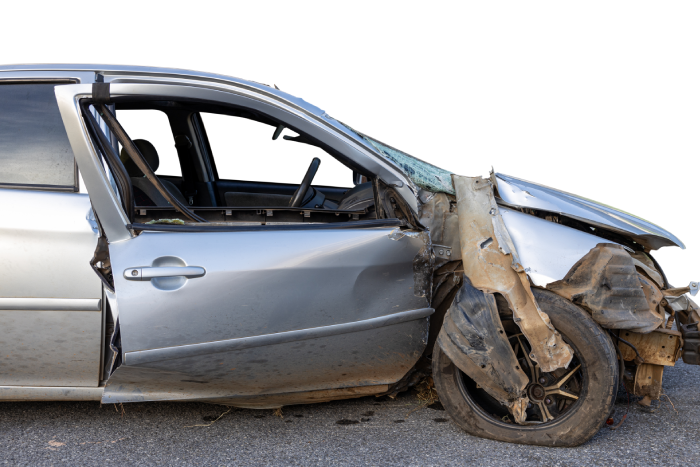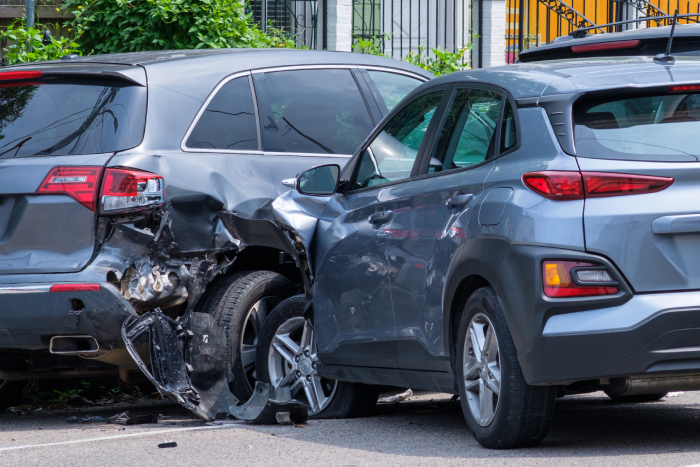
After a car accident in Texas, individuals may develop post-traumatic stress disorder (PTSD), which is recognized as a compensable injury. Research indicates that about 9% of accident survivors experience PTSD, often alongside mood disorders like depression.
Below, Aldous Law presents five key facts about PTSD after a motor vehicle accident, covering its prevalence, risk factors, signs, and the importance of prompt treatment for health and legal reasons.
Symptoms such as flashbacks, nightmares, and anxiety can hinder a survivor's ability to resume normal life.
How Often Does PTSD Occur
Research has examined how many individuals seek treatment after a serious motor vehicle crash. A majority of those injured did not end up developing a serious mental condition that would require treatment. However, a general population study has discovered that 9% of surviving victims of car accidents suffer from PTSD.
Studies also show that of the individuals who have survived a serious car crash and develop PTSD, as high as 53% have some mood disorder as well, such as depression, and 15% of car crash survivors have some kind of phobia towards driving.
Car Collisions Were the Leading Cause of PTSD
A book in 2003 titled After the Crash: Psychological Assessment and Treatment of Survivors of Motor Vehicle Accidents determined that car crashes were the leading cause of post-traumatic stress disorder at the time. The study in the second edition of the book analyzed 161 survivors of serious motor crashes who had sought medical attention within 48 hours of the collision. Of the 161 participants, 98 had participated in a therapy protocol.
PTSD Risks
After a serious auto collision, the risk of post-traumatic stress is very concerning and can cause several issues after the crash. For instance, long-term mental health problems can be caused by pre-existing trauma matters from before the crash. If there was someone else in the vehicle who was seriously injured or lost their life, this could be a significant cause of PTSD in the surviving victim, resulting in long-term fear of traveling in a vehicle. There are some factors post-accident that can prevent the development of PTSD, but it is a bit difficult, as the survivor may be affected right away.
Treatments for PTSD
Obviously, the very first action that should be taken to treat post-traumatic stress is to seek therapy as soon as possible. Some studies have shown that individuals who do not seek treatment quickly often deal with the symptoms for months, even years. It is important to act rapidly. Also, physical recovery and support from family and friends can be helpful options. This means working to maintain the same lifestyle that the victim had before the accident. This can help them cope with what happened and give them a more positive outcome regarding their mental health.
What May Happen After the Accident
Some things may signify that a surviving victim has PTSD. This includes moments of memorizing and re-experiencing the crash. They may often have nightmares or difficult flashbacks, causing anxiety and distress. They may try to avoid remembering the collision altogether, such as by staying away from the crash site or the car they were in. They may also have physical pain, depression, or guilt if they feel the crash was their fault. The guilt or depression symptoms are especially true if there was another person in the vehicle who was severely hurt or lost their life. It is devastating any time a victim develops post-traumatic stress after a car crash. When someone else’s negligence or recklessness causes a collision, it can be a complicated situation to deal with.
At Aldous Law, our Dallas car crash attorneys have made it a point to represent individuals who have sustained injuries in collisions with negligent parties. If you or someone you love has been harmed, call our firm and discuss your options with a skilled attorney who can help you get through the matter. We aim to provide you with the representation you need throughout the entire process from start to finish.